There are no products listed under this category.
Minimalist Design: a brief history
Minimalism originated in the early to mid-20th century as a reaction to the highly ornamental decoration styles of the past *1.
Movements such as De Stijl and Bauhaus have had a huge influence on it. De Stijl emerged in the Netherlands in 1917, encouraging the use of simple geometric shapes and a limited colour palette for a balanced design. The Bauhaus movement first came to life in 1919, promoting functionality in design over aesthetics. Minimalism has also been influenced by Scandinavian and Japanese design *1 *2.
New materials such as glass, steel and concrete, combined with new building processes driven by mass production, created structures that are still nowadays considered as “modern” *1 *2.
Its main and most well-known saying, “less is more”, is a quote popularised by German and American architect Mies van Der Rohe in the post-war era *3.
In the 1960’s, this design style gained popularity as a cultural movement that impacted not only the art, fashion industry and graphic design but also everyday products such as radios and calculators. Going forward, simplicity, purity and functionality became key *1 *4 *5.
Since the 1980’s and 1990’s, architects like Tadao Ando and John Pawson have made it more commonly known by introducing open spaces, clean lines and by balancing light, materials and space. *2.
Nowadays, minimalist interior design has become one of the most popular styles. Not only pretty and elegant, but also practical *1 *5.
Key Characteristics
The purpose is not only to have less of everything: every element is meant to serve a purpose and each detail contributes to a clean environment. Here are some main characteristics:
Clean Lines and Geometric Forms
Clean lines and geometric forms are some of the main features of this style.
Clean lines can be found in various elements such as in furniture, lighting or architectural details of the room, like doors, door frames, window frames and baseboards.
On the other hand, geometric shapes can be found in furniture, textiles, wallpaper or artwork.
Together, they create a sense of balance *2 *6.
Simplicity and Functionality
Minimalism is simple and effective, where each element serves a function. It’s a very straightforward style that goes to the essentials. Detailed decorations are replaced with simple and practical details *2
Monochromatique Color Palette
Minimalist color palettes usually consist of neutrals like white, beige, grey and black tones. These colors highlight clean lines, simplicity and balance *6
White Space and Negative Space
Although it might not be what you may first think, “white space” doesn’t necessarily refer to a white wall, but refers to the empty or unoccupied areas in a room. This not only allows the main elements to stand out, but it also creates openness and calmness *2 *6
Natural materials
The use of natural materials like wood, concrete, glass, stone and steel is very common in minimalist interiors. These materials help create a warm and inviting atmosphere while keeping authenticity and simplicity *2 *6
Together, these characteristics bring a sense of simplicity and balance to interiors, making them feel spacious yet calming.
Incorporating Minimalist style into your ceiling design
This style of ceiling tiles are designed to gently improve the room. Here are a few ways to incorporate it into your ceiling:
- Living rooms:
Choose discreet ceiling tiles in neutral tones. Pair them with a comfortable couch and soft lighting. To add some warmth, add things like a bookshelf, a cozy rug, minimal decor and plants *7. - Bedrooms:
Opt for matte finishes and light colours ceiling tiles. Pair with natural materials such as linen or oak and add some effective storage, soft lighting, neutral tone blinds or curtains for a peaceful retreat *8. - Kitchens:
They should be functional and uncluttered, easy to clean and to maintain. The ceiling should reflect this as well. Choose white or light grey tiles with a subtle texture that reflects the light and complements the clean lines of your cabinetry *9. - Bathrooms:
Choose some of our moisture-resistant ceiling tiles in a cream white or with light concrete tones for a simple and authentic look. Pair these with polished chrome fixtures and neutral walls for a cohesive feel. - Commercial spaces:
Minimalist ceilings show professionalism; a simple pattern tile creates harmony. For boutiques and galleries, imagine soft lighting and neutral walls, so that the focus remains on the products or artwork. In offices, imagine large open spaces filled with natural light.
The common principle of all these rooms for a minimalist design: holding back. The right ceiling design brings calmness, texture and balance.
Pairing Minimalist ceilings with other elements
To achieve this type of look and feel, coordinate your ceiling with the rest of your interior:
- Walls:
Pair your ceiling with smooth or lightly textured finishes in neutral tones or use materials such as wood slat wall panels to add warmth. - Floors:
Choose natural materials like pale wood, polished concrete or large neutral tiles. - Lighting:
Minimalist lighting should be discreet. For example, recessed fixtures or track lights can highlight textures *10 - Furniture & décor:
Choose simple and functional furniture with clean lines and natural finishes. A few well-chosen accessories, such as a sculptural lamp or a great piece of artwork, stand out a lot more in a neutral environment.
The combination of restraint, along with a thoughtful selection of furniture, materials and lighting creates an elegant space where every surface, including the ceiling, contributes to the balance and harmony of your home or commercial space.
How to pair and compliment this interior design style
Minimalist style is easy to blend with other aesthetics if you want to add more character to your space. You can either choose similar styles, such as:
- Scandinavian:
Both styles are all about simplicity, natural light and functional design. Add light wood finishes or soft textiles for a cozy look.- View our Scandinavian Style Panels
- Japandi:
A mix of Japanese minimalism and Scandinavian warmth, this style brings calm and natural balance to interiors. Add subtle textures and muted tones to your interior.- View our Japandi Style Panels
You can also choose to go in the opposite direction to add warmth and character:
- Ranch:
Minimalist color palettes are mainly whites, beiges, creams and greys. Mixing them with Ranch-style colors like rusty red, deep oranges and rich browns will add warmth and spice. Just add a few cacti and a touch of leather *11- View our Ranch Style Panels
- Bohemian:
This is the perfect combination. Where minimalism can be cozy but a bit plain, Bohemian brings personality. Add a patterned rug and a rattan pendant light for some extra warmth *11- View our Bohemian Style Panels
By mixing these styles properly, you can make Minimalist interiors feel simple yet unique, with a touch of character.
Why you should consider purchasing your new ceiling tiles from us
Our range of minimalist ceiling tiles reflects simplicity and functionality. They’re:
- Inspired by minimalist architecture, by combining clean design, balance and simplicity.
- Available in lightweight PVC, faux tin, and real tin finishes designed for both homes and commercial interiors.
- Easy to install, whether using a nail-up, glue-up or drop-in grid system.
- Durable and depending on the material selected, they can be moisture-resistant, suitable for not only living spaces, but kitchens and bathrooms (if you would like to be certain of the suitability of the tiles that you have selected, please feel free to contact our friendly customer service team at your convenience).
- A large variety of price ranges, for both affordable and high-end options.
Whether you’re renovating your home or a commercial space, our ceiling tiles will help you get the right look.
Real-World Example: The Farnsworth House by Ludwig Mies van der Rohe
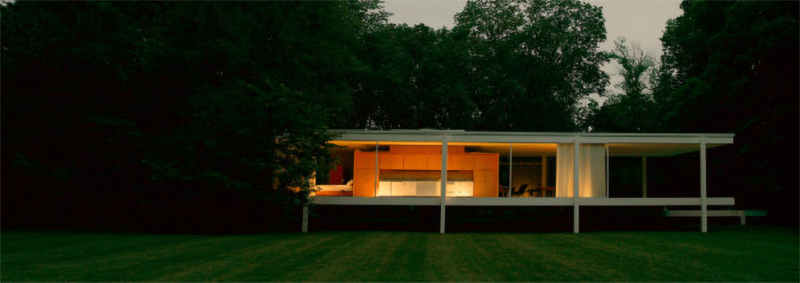
The Farnsworth House in Illinois is one of the most well-known examples of minimalist architecture, representing the principle of “less is more.” Completed in 1951, it features open glass walls, a flat ceiling and no unnecessary ornamentation. The result is a space defined by structure and light *12
Minimalist ceilings can bring that same sense of clarity and tranquility into your home. With clean lines and subtle texture, they create a light, open look that feels modern and refined.
Wrapping Up
Minimalism proves that simplicity doesn't go out of style. When thoughtfully executed, it creates spaces that feel expansive, calming, timeless and “modern” still decades later.
They will add structure, texture and depth while maintaining a clean aesthetic.
Explore our collection of ceiling tiles above to find the perfect match for you and create a room where every element feels intentional and balanced. contact us for more information. We’re here to help!
Minimalist Ceiling Tile FAQ’s
Not at all. Their simplicity creates a clean background that works well in both modern and traditional spaces. When paired with warm textures like wood or linen, they balance and quiet sophistication without feeling cold.
Yes. Light-colored tiles with smooth or matte finishes reflect light and make a room feel larger. Minimalist designs reduce visual clutter, helping small rooms feel brighter, lighter and more open.
Definitely. They give offices, studios and showrooms a polished and professional feel. Their clean lines and neutral tones enhance lighting and create a sense of order and calm that can improve focus and productivity.
Neutral shades like white, cream, beige and light grey are ideal. These tones reflect natural light, enhance openness and blend easily with other materials and colors for a cohesive look.
Yes. Most options only need an occasional dusting or a gentle wipe with a soft cloth. PVC and faux-metal finishes are durable and moisture-resistant, making them a low-maintenance solution for modern spaces.
References
- *1 - The Spruce: What Is Minimalist Design? -
https://www.thespruce.com/what-is-minimalist-design-4796583 - *2 - Home World Design: Minimalist Design: History, Foundations, Evolution, and Key Characteristics -
https://homeworlddesign.com/minimalist-design-history-foundations-evolution-and-key-characteristics/ - *3 - MoMa: Ludwig Mies van der Rohe -
https://www.moma.org/artists/7166-ludwig-mies-van-der-rohe - *4 - Kaiko Design: The Journey to Simplicity: The Evolution of Minimalist Design -
https://www.kaikodesign.com.au/articles/the-journey-to-simplicity-the-evolution-of-minimalist-design - *5 - Design Wanted: The origins and essence of minimalism in Design and Architecture -
https://designwanted.com/minimalism-origins-design-architecture/ - *6 - Satin and Slate: Seven Key Features of Minimalist Interior Design -
https://www.satinandslateinteriors.com/7-key-features-of-minimalist-interior-design/ - *7 - The Spruce: 39 Minimalist Living Rooms in a Range of Styles That Focus on the Essential -
https://www.thespruce.com/minimalist-living-room-ideas-5213203 - *8 - Satin and Slate: 10 Essential Items for a Minimalist Bedroom -
https://www.satinandslateinteriors.com/10-essential-items-for-a-minimalist-bedroom/ - *9 - By Design and Viz: 20 Must-Try Minimalist Kitchen Ideas For A Clutter-Free Space -
https://www.bydesignandviz.com/post/minimalist-kitchen-ideas - *10 - Lampatron: The Art of Minimalist Lighting -
https://lampatron.com/blogs/lighting-guide/the-art-of-minimalist-lighting - *11 - Havenly Hideway: Opposites Attract: 18 *Very* Different Design Styles That Look Stunning Together -
https://havenly.com/blog/mixing-interior-design-styles - *12 - Edith Farnsworth House: History -
https://edithfarnsworthhouse.org/history-farnsworth-house/