
Ceiling tiles can completely transform the look of a room, but installing ceiling tiles the wrong way can lead to a finish that looks anything but professional.
Whether you’re working on a basement remodel, updating a drop ceiling or adding decorative ceiling tiles to your kitchen or bathroom, avoiding these common mistakes will help you get the perfect result.
Here are the 10 most common mistakes to avoid when installing ceiling tiles, with tips to make your project easier and longer-lasting.
-
1. Skipping Accurate Measurements
Not measuring your ceiling carefully before cutting or ordering tiles is one of the biggest DIY mistakes. If you haven’t heard this phrase already, then it’s with great pleasure that we’re introducing you to it - remember to always: “Measure twice, cut once!”
Why it Matters: Incorrect measurements lead to wasted materials, extra costs and awkward tile placement.
How to Avoid it: Measure the length and width of the entire ceiling twice. Use our ceiling tile calculator to figure out how many tiles you need and reduce waste.
Pro Tip: see our guide 10 Tips on How to Measure Like a Pro! before you start.
-
2. Not Prepping The Surface
Trying to install ceiling tiles on a dirty, uneven or damp surface can lead to issues later.
Why it Matters: Dust, grease or moisture can prevent glue or nails from holding properly, causing tiles to fall or warp.
How to Avoid it: Clean and dry the surface thoroughly. Repair cracks or dips so the ceiling is level before starting.
Pro Tip: Even slight moisture can ruin adhesion, make sure the ceiling is completely dry before gluing tiles.
-
3. Using the Wrong Adhesive
Not all ceiling tiles are installed the same way, and the wrong adhesive or screws can ruin the project.
Why it Matters: Most of our ceiling tiles and panels are designed to work with specific adhesives. Using a general-purpose glue can prevent proper bonding and may cause tiles to shift, sag or detach over time.
How to Avoid it: For most ceiling or wall panels and moldings, use Instant Grab #310, the recommended adhesive across nearly all product lines. It provides a strong, fast bond that works on PVC, foam and even heavier panels. For MirroFlex ceiling tiles, use Spray-Lock FRP Adhesive, which provides a durable bond while allowing for the flexibility these panels need.
By sticking to these recommended adhesives, you’ll ensure your tiles and panels stay secure, look professional and last for years.
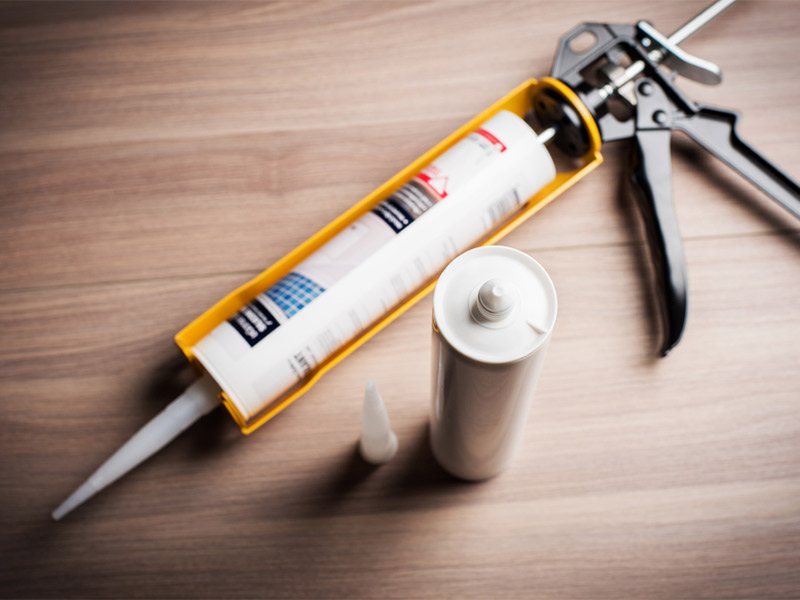
Don’t Do This! Never use low-quality construction adhesive on PVC or MirroFlex tiles, they won’t bond correctly and can damage your panels.
-
4. Rushing the Adhesive Process
Moving too quickly can cause tiles to slide, sag or detach later.
Why it Matters: If you don’t give adhesives time to bond, tiles may shift out of place and ruin the alignment.
How to Avoid it: Press each tile firmly for the recommended time (usually 10–30 seconds). Let adhesive cure fully before applying pressure, painting or cleaning the tiles.
-
5. Starting without a Layout Plan
Placing tiles without planning your layout can make the ceiling look uneven and unprofessional.
Why it Matters: Poor planning often leads to thin and uneven edge tiles that throw off the balance of the ceiling pattern.
How to Avoid it: Mark the center of the room and use chalk lines to create guidelines. Dry-lay a row or two to preview the layout and make adjustments before gluing or nailing anything down.
-
6. Cutting Corners around Fixtures
Rushing cuts around vents, lights or fans can make your ceiling look sloppy.
Why it Matters: Uneven cuts or gaps not only look bad but can also compromise safety by interfering with fixtures.
How to Avoid it: Measure carefully and mark fixture locations before cutting. Use sharp tools like a heavy duty utility knife, hole saw or jigsaw for smooth and clean cuts.
Pro Tip: Take your time for clean and professional edges.
-
7. Ignoring the Instructions
Every tile type has its own installation requirements, don’t skip them.
Why it Matters: Missing steps or using shortcuts can make tiles fail and lead to costly rework.
How to Avoid it: Read the product's instructions before starting and keep them on hand as you work. Follow each step for a durable and professional finish.
-
8. Choosing the Wrong Tile
Not all ceiling tiles work in every room.
Why it Matters: Using untreated metal in a bathroom can lead to discoloration or rust.
How to Avoid it: Choose tiles specifically rated for moisture, humidity or heat, depending on the room.
-
9. Overlooking Joists and Support
Heavy ceiling tiles need proper support before installation.
Why it Matters: Wood, tin and other heavy materials can sag or fall if the ceiling structure isn’t strong enough to hold them.
How to Avoid it: Locate joists and add furring strips or extra framing where necessary. Always follow weight guidelines provided on the product’s pages.
-
10. Overlooking Ceiling Height and Safety
Standing on unstable ladders or working without proper tools can lead to injuries.
Why it Matters: Safety should always come first and rushing on an unsafe setup increases mistakes.
How to Avoid it: Use a sturdy ladder or scaffold and keep tools within reach. Don’t overreach, move your ladder as needed.
Wrapping Up
Installing ceiling tiles is a project most DIYers can handle, but cutting corners (literally and figuratively) can cost you time and money. Measure carefully, prep thoroughly, use the right materials, follow each step and you’ll get a ceiling that looks like it was done by a pro.
For more tips, calculators and installation guides, visit our home renovation DIY Hub.
If you have any questions or after some helpful advise, contact our team of experts. We’re here to make your home transformations easy and worry-free.