The Story of Fretwork
Written by Milan Jara on 24th Sep 2025
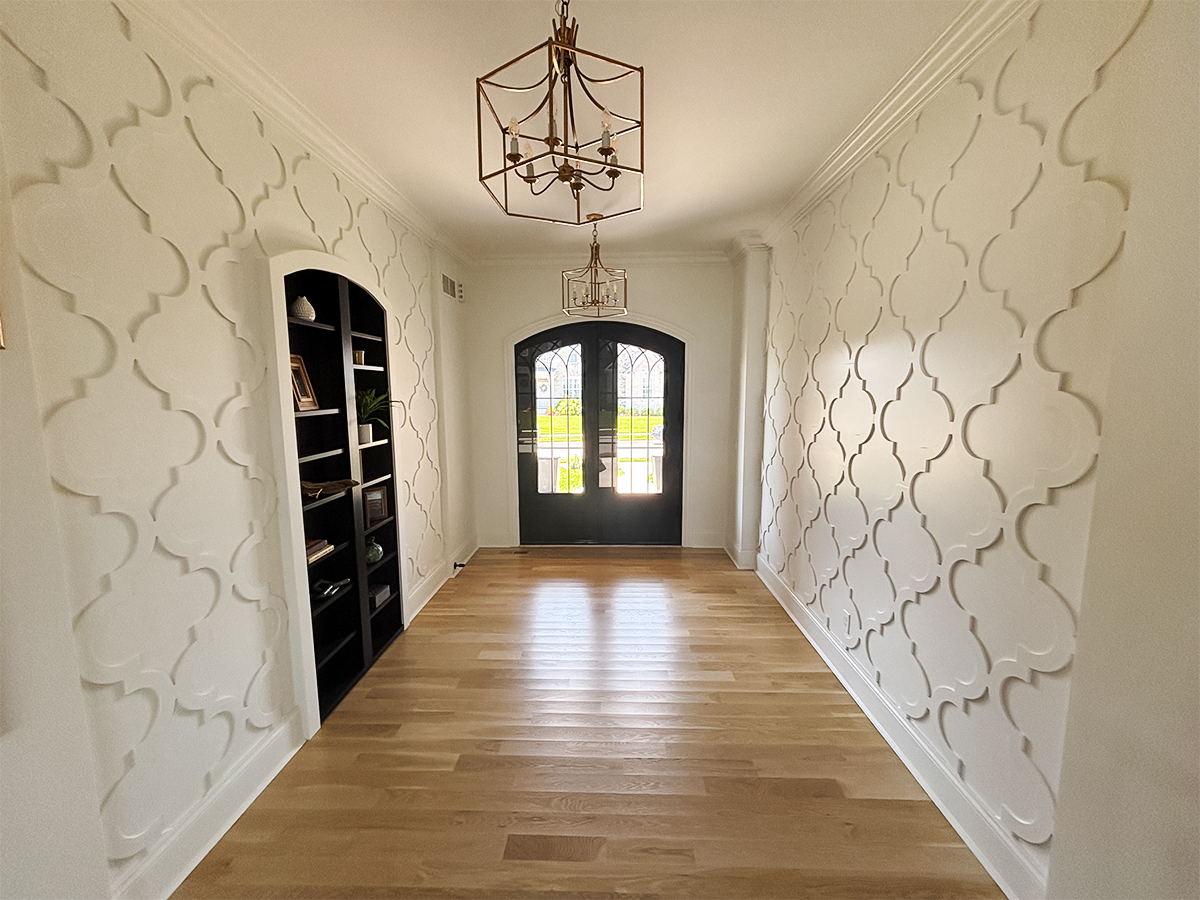
Fretwork panels have been an interior design feature throughout the ages. First created for practical purposes, they’ve evolved to become a popular and regularly used decorative feature in homes and commercial spaces.
From intricate wall coverings to ornate ceiling displays, fretwork panels are a brilliant way to add texture, depth, and craftsmanship to any surface, transforming any space from plain to beautiful in hours!
Table of Contents
- What is Fretwork?
- The Origins of Fretwork
- Why use Fretwork Panels?
- Different ways to Incorporate Fretwork into your Interior Design
- Wrapping Up
The beauty of fretwork is in the balance. These decorative wood panels are striking enough to draw the eye, yet subtle enough to complement the space rather than being overwhelming and pulling the focus away from the surrounding décor.
Before we go further, let's first take a look at exactly what fretwork is, how it originated, and why it has remained such a beloved design technique for centuries.
What is Fretwork?
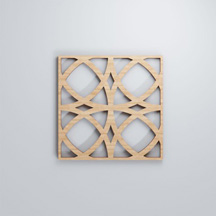
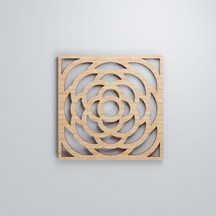
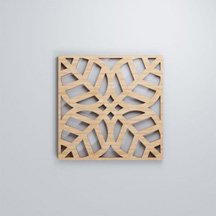
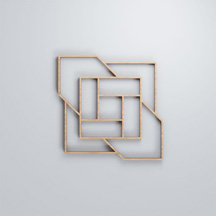
If the word “fretwork” doesn’t look or sound very familiar, don’t be concerned as you probably already know exactly what it is, just not the name. Putting it simple, fretwork refers to decorative designs that are cut into wood, metal, or other materials such as stone. Typically, the designs are repeating geometric or floral patterns.
Traditionally, these patterns were carved/cut using accurate tools, such as a fretsaw (which is where the name comes from).
So, what are Fretwork Panels?
Today, fretwork is almost always produced on ready-to-install panels, hence the term “fretwork panels”. Modern tools are used for precision cutting, allowing designers to create extremely detailed patterns with the most commonly used material (for our customers, anyway) being PVC, due to its lightweight and affordable nature.
Like most fretwork panels on today’s market, they’re purely for decorative purposes.
See our range of Fretwork Panels
The origins of Fretwork
To understand a little more about why these decorative panels were first created and how they’ve remained a popular design feature to this day, let's take a look at the origins of Fretwork.
Fretwork has been featured in homes since the dawn of modern civilisation, and like most decorative interior design elements, it originally served a purpose of functionality, although from inception, they were designed to provide a beautiful aesthetic and ornamentation.
Where it all began
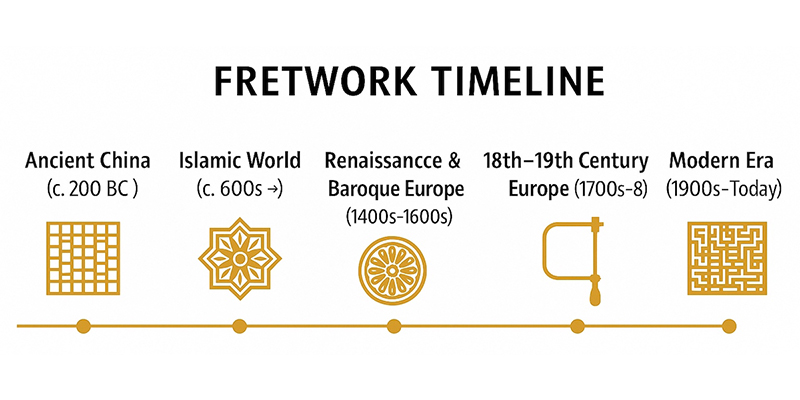
Fretwork panels were first used in Chinese latticework and Islamic screens (mashrabiya/jali) to provide a bit of privacy, natural ventilation, filter light, and to add some structural integrity - at the same time, they provided a lot of decorative beauty.
Over time, Fretwork became more widely adopted, and nowadays, its function is almost solely focused on its decorative appeal.
Introducing Fretwork into European Interior Design
In Europe, fretwork became highly sought after during the Renaissance and Baroque periods, when skilled craftsmen and artisans carved elaborate patterns into wood, stone, and metal.
By the 18th and 19th centuries, advances in technology allowed for more complex patterns and designs to be produced, resulting in further growth to the Fretwork popularity.
It was in the Victorian era that fretwork panels were manufactured as machine-cut decorative elements, which pushed the trend even further. Their application stretched further than decorative ceiling panels and wall treatments, and they began appearing just about anywhere and everywhere in ornate buildings, from porches and staircases to furniture.
Modern-day Use
Over time, fretwork has shifted from its origins of being both functional and decorative to mainly serving as a design feature.
From wall accents and ceiling tiles to room dividers and furniture inlays, fretwork continues its centuries-old tradition of bringing beauty, texture, and quality artistry into everyday spaces.
Nowadays, fretwork panels are made from a wide range of materials. Wood is still a popular choice, however, PVC fretwork panels that are produced to mimic the appearance of genuine timber are taking the industry by storm due to being a lightweight and more affordable alternative that looks just like authentic wooden fretwork.
Why use Fretwork Panels?
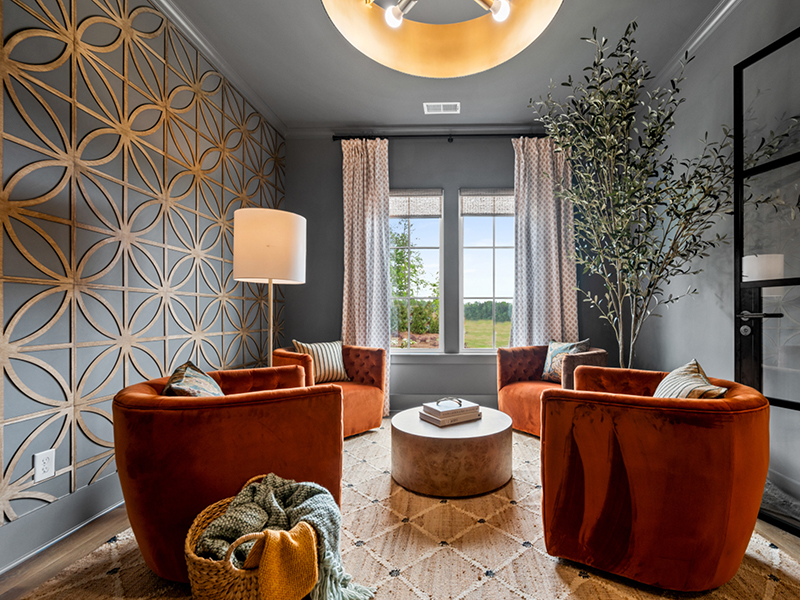
As light passes through the designs, the fretwork displays shadows and highlights, adding dimensions and giving your room a dynamic feel throughout the day.
Fretwork panels are one of the easiest ways to breathe fresh new life into an existing space. They’re about as easy as it gets when it comes to installation (read our handy guide: How to install fretwork panels), and their aesthetic purpose isn’t to hide any existing walls or ceilings, but instead be used to enhance them.
With modern technology, just about any pattern can be used for your fretwork panels, and with an endless amount of possibilities when it comes to finishes, they can match your existing or preferred style. So, the question really should be “why not use fretwork panels?”.
Different ways to Incorporate Fretwork into your Interior Design
Start by deciding on the look and feel you want to achieve. Depending on the interior style that you’re going for, fretwork panels can be used to create a bold statement or a delightfully subtle decorative feature that changes the style of a room.
Pro tip: Fretwork panels don’t have the purpose of hiding an existing surface, but instead they should be used to enhance it, so make sure that you opt for a design that pairs well with your existing style, if you’re not planning on upgrading that as well.
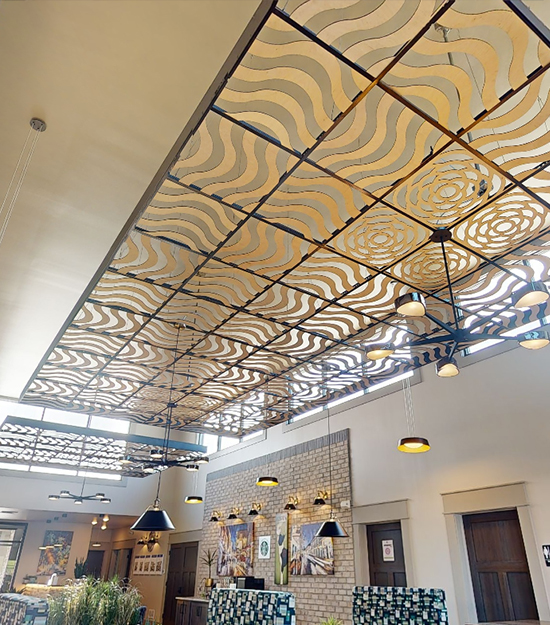
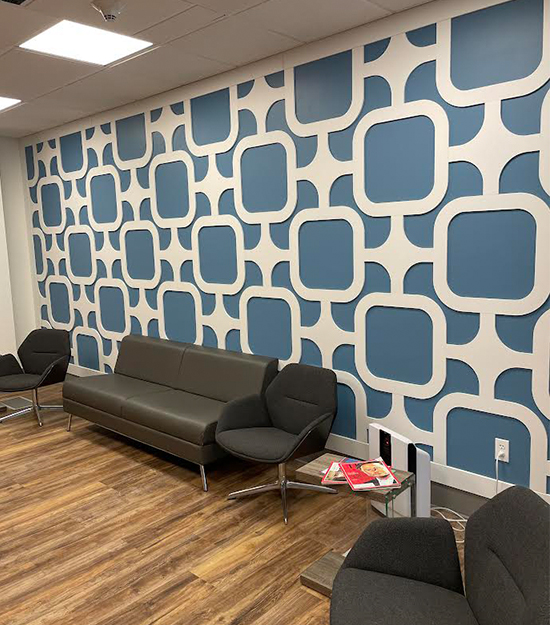
Commonly, fretwork is applied to a small or single section of your space, such as framing a fireplace or archway, creating a border around a ceiling or wall. Alternatively, you can cover entire walls or ceilings, and in this case, it still doesn’t necessarily mean that it’ll be dramatic, that all comes down to the pattern and color/finish of the fretwork panels that are being installed.
Wrapping Up
Fretwork panels have proven that design can be both functional and beautiful, rather than being designed for a practical purpose and later becoming decorative.
Their intricate and detailed patterns, versatile and affordable materials, coupled with an easy installation, fretwork has the ability to transform the walls and ceilings of any space into works of art with endless possibilities when it comes to styling.
If you have any questions or need help selecting the right fretwork panels for your up and coming renovations or room upgrade, don’t hesitate to contact our friendly and knowledgeable customer service team today!