











Dakota Tin
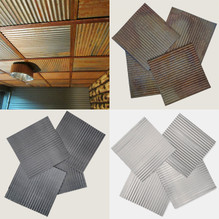
Dakota Tin 24x24 Colorado Rustic Corrugated Ceiling Tiles

Images are not true representations of the actual color of the product, some are computer generated. Be sure to order samples to make sure the colors will work for you.
How Many Pieces Do I Need?
Project Estimator for
Do you like the look of this product but need help with installation? Learn more in our 'How To' section or get assistance from a professional installer.

Room Visualizer
Visualize how products will look in your room with our Room Visualizer tool.
Click the button below to get started!
$19.99
- Model No.
- CO-2424
- Condition:
- New
- Availability:
- Pre-Order
- Delivery:
- Delivers in 1-3 weeks
- Size:
- 24" x 24"
- Coverage:
- 4 square feet
- Depth:
- 1/4"
- Weight:
- 2.25 pounds per tile
- Installation Method:
- Drop In (grid system)
- Material:
- Rustic Steel
- Return Policy:
- No Returns.
- Type:
- Corrugated

Design Consultation
Need help choosing the right ceiling tiles, wall panels, or moldings for your space?
Book a session with our experts.


Corrugated Metal Ceiling Tiles
You can give any room a vintage, natural, or modern touch with corrugated metal ceiling tiles. These rustic ceiling tiles come in four colors: Antique, Crinkle Black, Galvalume & Rusted. Each tile is made from upcycled steel, and the tiles are easy to install in any 24x24 grid. The Colorado collection of rustic drop-ceiling tiles also includes perforated metal tiles with sound-dampening properties. Whichever product you choose, you'll get great-looking ceiling tiles that are perfect for bars, lofts, rec rooms, and restaurants. And when you shop with Decorative Ceiling Tiles, you'll also get a great price!
Style Options for Colorado Rustic Ceiling Tiles
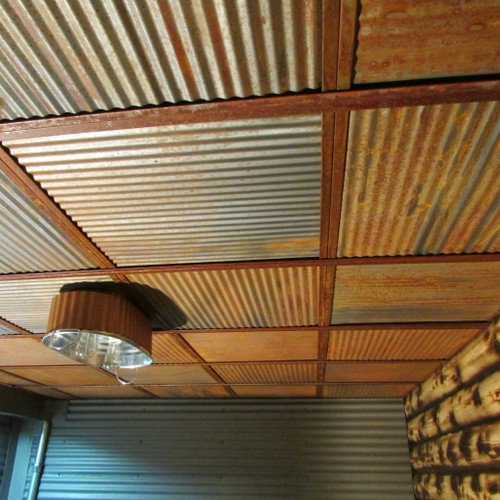
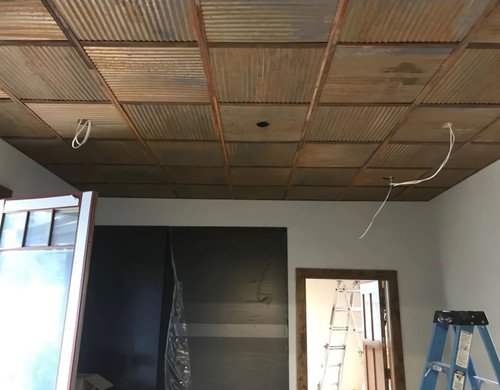
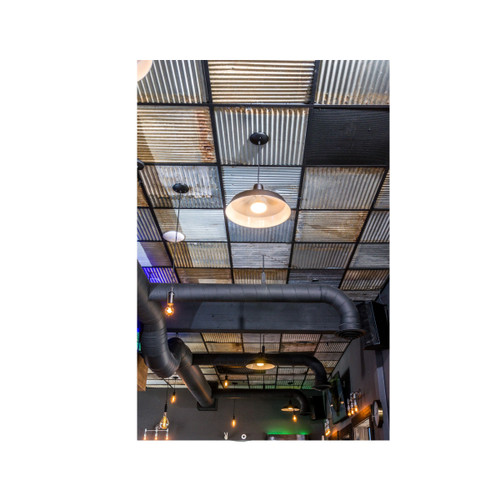
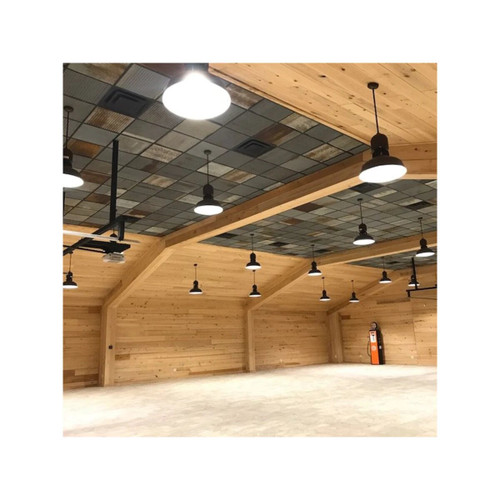
- Rusted: These rustic drop-ceiling tiles are sprayed with a special treatment to make them pre-rusted. The rust is evenly dispersed, but there are still bits of dark gray peeking through.
- Galvalume: A special coating makes these corrugated metal ceiling tiles bright and shiny.
- Antique Galvanized: Galvanized metal is treated to give it an aged look, producing tiles that are a matte dark gray.
Adding linseed oil to metal ceiling tiles (or other decorative metal panels) is an old-school finishing trick that does three main things:
1. Oxidation and Patina Control
Raw or bare steel, tin, or pressed metal panels will oxidize quickly once exposed to air and moisture. A thin coat of boiled linseed oil slows that reaction by creating a light polymerized film. This can help keep the “just-stamped” look of bright tin or steel for a while, or lock in a desirable patina once you’ve achieved it (for example after using an acid wash).
2. Sealing and Easy Cleaning
Metal tiles have a lot of small crevices and raised patterns. Linseed oil seeps into those low spots and cures, leaving a satin protective layer. That reduces fingerprints, water spotting, and makes later dusting or wiping much easier.
3. Color Enhancement
Boiled linseed oil slightly darkens and enriches the metal’s color, giving tin or steel panels a warmer, “aged” tone without paint. People often do this on pressed tin ceilings when they want a vintage look but don’t want to fully paint or clear-coat.
How it’s done:
Typically, you wipe on a very thin coat of boiled linseed oil with a rag, wait 15–20 minutes, then wipe off any excess so it doesn’t stay sticky. It polymerizes over days into a soft film. For heavier protection, some installers mix linseed oil with a bit of mineral spirits for easier application or follow with a clear lacquer once cured.
Alternatives:
Modern water-based clear coats or polyurethane sprays also work, last longer, and yellow less. But linseed oil is inexpensive, easy to apply, and historically authentic for tin ceilings and metal tiles in older buildings.
Project Showcase
-
CO-2424 - Rusted
 Installed in Restaurant
 -
CO-2424 - Rusted
 Installed in Living and Dining
 -
CO-2424 - Rusted
 Installed in Restaurant
 -
CO-2424 - Rusted
 Installed in Living and Dining
 -
CO-2424 - Rusted
 Installed in Shed / Greenhouse
Corrugated Metal Ceiling Tiles
You can give any room a vintage, natural, or modern touch with corrugated metal ceiling tiles. These rustic ceiling tiles come in four colors: Antique, Crinkle Black, Galvalume & Rusted. Each tile is made from upcycled steel, and the tiles are easy to install in any 24x24 grid. The Colorado collection of rustic drop-ceiling tiles also includes perforated metal tiles with sound-dampening properties. Whichever product you choose, you'll get great-looking ceiling tiles that are perfect for bars, lofts, rec rooms, and restaurants. And when you shop with Decorative Ceiling Tiles, you'll also get a great price!
Style Options for Colorado Rustic Ceiling Tiles
- Rusted: These rustic drop-ceiling tiles are sprayed with a special treatment to make them pre-rusted. The rust is evenly dispersed, but there are still bits of dark gray peeking through.
- Galvalume: A special coating makes these corrugated metal ceiling tiles bright and shiny.
- Antique Galvanized: Galvanized metal is treated to give it an aged look, producing tiles that are a matte dark gray.
Adding linseed oil to metal ceiling tiles (or other decorative metal panels) is an old-school finishing trick that does three main things:
1. Oxidation and Patina Control
Raw or bare steel, tin, or pressed metal panels will oxidize quickly once exposed to air and moisture. A thin coat of boiled linseed oil slows that reaction by creating a light polymerized film. This can help keep the “just-stamped” look of bright tin or steel for a while, or lock in a desirable patina once you’ve achieved it (for example after using an acid wash).
2. Sealing and Easy Cleaning
Metal tiles have a lot of small crevices and raised patterns. Linseed oil seeps into those low spots and cures, leaving a satin protective layer. That reduces fingerprints, water spotting, and makes later dusting or wiping much easier.
3. Color Enhancement
Boiled linseed oil slightly darkens and enriches the metal’s color, giving tin or steel panels a warmer, “aged” tone without paint. People often do this on pressed tin ceilings when they want a vintage look but don’t want to fully paint or clear-coat.
How it’s done:
Typically, you wipe on a very thin coat of boiled linseed oil with a rag, wait 15–20 minutes, then wipe off any excess so it doesn’t stay sticky. It polymerizes over days into a soft film. For heavier protection, some installers mix linseed oil with a bit of mineral spirits for easier application or follow with a clear lacquer once cured.
Alternatives:
Modern water-based clear coats or polyurethane sprays also work, last longer, and yellow less. But linseed oil is inexpensive, easy to apply, and historically authentic for tin ceilings and metal tiles in older buildings.
Project Showcase
-
CO-2424 - RustedInstalled in Restaurant
-
CO-2424 - RustedInstalled in Living and Dining
-
CO-2424 - RustedInstalled in Restaurant
-
CO-2424 - RustedInstalled in Living and Dining
-
CO-2424 - RustedInstalled in Shed / Greenhouse
×